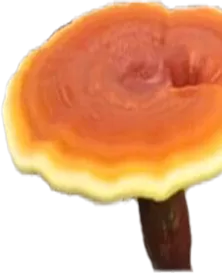
Ganoderma lucidum earned its nickname — "the mushroom of immortality" (灵芝仙草) — long before anyone knew what a mitochondria was. In ancient China, it was reserved for emperors who believed regular consumption extended lifespan. Modern science does not claim immortality, but it has started asking a more practical question: does this mushroom meaningfully influence the biological processes of aging?
The answer, from a growing body of research, suggests the traditional reputation may not be entirely folklore. Ganoderma compounds have been shown to influence several of the recognized hallmarks of aging — including mitochondrial dysfunction, cellular senescence, oxidative stress, and chronic inflammation.
Skin Aging: The 2025 Study
A 2025 study published in Journal of Photochemistry and Photobiology B: Biology (ScienceDirect) examined the effect of Ganoderma lucidum extract (GLE) on skin aging. Using human dermal fibroblasts — the cells responsible for producing collagen and elastin — the researchers documented several findings:
- Mitochondrial preservation. GLE helped maintain mitochondrial homeostasis in aging fibroblasts, reducing the ROS (reactive oxygen species) overproduction that drives cellular aging.
- Reduced cellular senescence. Markers of senescent cells — including SA-β-galactosidase activity — were significantly lower in GLE-treated fibroblasts compared to controls.
- Gene expression modulation. A separate 2025 study (PMC11854148) found that GLE modulated gene expression patterns in dermal fibroblasts, influencing pathways related to collagen synthesis and extracellular matrix maintenance.
In plain language: Ganoderma extract appeared to help skin cells age more slowly — preserving their energy-producing machinery (mitochondria), reducing the accumulation of "zombie cells" (senescent cells), and supporting the genes that make skin structurally resilient.
Mitochondrial Function: The Energy-Aging Connection
Mitochondria are the power plants inside every cell. As they decline with age — a process driven by accumulated oxidative damage — cells become less efficient at producing energy. This energy deficit is now considered one of the primary drivers of organismal aging.
Several studies have documented Ganoderma's effects on mitochondrial health:
- Antioxidant defense. Ganoderma polysaccharides and triterpenes upregulate endogenous antioxidant enzymes (SOD, catalase, glutathione peroxidase) — the body's own defense systems against mitochondrial oxidative damage.
- Mitochondrial biogenesis. Preliminary evidence suggests Ganoderma may activate PGC-1α, the master regulator of mitochondrial production — though this finding comes primarily from cell studies and requires in-vivo validation.
- ATP preservation. In models of mitochondrial stress, Ganoderma-treated cells maintained higher ATP levels than untreated controls, suggesting functional protection of energy metabolism.
The relevance to aging is straightforward: if mitochondrial decline is a core driver of age-related functional loss, then compounds that preserve mitochondrial function may slow that decline. The evidence for Ganoderma on this front is suggestive but not yet definitive in humans.
Telomeres and Cellular Lifespan
Telomeres — the protective caps at the ends of chromosomes — shorten with each cell division. When they become too short, the cell enters senescence or dies. Telomerase is the enzyme that rebuilds telomeres, and its activity declines with age.
Limited research has examined whether Ganoderma compounds influence telomerase activity. A small number of cell-culture studies have reported increased telomerase expression in the presence of Ganoderma extracts, but these findings are preliminary and have not been replicated in human trials. The telomere angle is scientifically plausible — compounds that reduce oxidative stress and inflammation generally create conditions favorable to telomere maintenance — but direct cause-and-effect evidence for Ganoderma specifically is thin.
This is an area where the marketing has run ahead of the science. You will find products claiming Ganoderma "lengthens telomeres." The research does not support that claim. What it may do — and even this requires more data — is slow the rate of telomere shortening by reducing the oxidative and inflammatory stressors that accelerate it.
Inflammaging: Chronic Low-Grade Inflammation
"Inflammaging" is the term researchers use for the chronic, low-grade systemic inflammation that increases with age — driven by senescent cell accumulation, immunosenescence (immune system aging), and gut microbiome changes. It is now considered a contributor to nearly every age-related disease, from cardiovascular disease to neurodegeneration.
This is where Ganoderma's immunomodulatory properties become directly relevant to aging. By reducing chronic inflammatory signaling — particularly NF-κB pathway activation and pro-inflammatory cytokine production — Ganoderma may help dampen the "inflammaging" background noise that accelerates biological aging. This mechanism is broader and arguably more relevant to healthy aging than any single anti-aging pathway.
The "Mushroom of Immortality" — Myth and Meaning
The Chinese name 灵芝 (líng zhī) literally means "spiritual mushroom" or "divine fungus." It was classified as a "Superior" herb in the Shen Nong Ben Cao Jing, reserved for the emperor and nobility, and depicted in art and architecture as a symbol of longevity and divine favor.
The word "immortality" in this context is poetic, not literal. The traditional concept was closer to what modern medicine calls "healthspan" — the period of life spent in good health. Superior herbs were taken daily for decades, not acutely for illness, and their purpose was to maintain function rather than cure disease. This framework — prevention, maintenance, long time horizons — aligns well with the modern longevity science emphasis on slowing biological aging rather than treating individual age-related diseases.
What This Means for Daily Use
You cannot take Ganoderma and reverse aging. But based on the mechanisms described above — mitochondrial support, senescent cell reduction, anti-inflammatory effects, and skin aging protection — regular consumption over years may contribute to healthier biological aging. The emphasis is on "contribute to" — no single supplement replaces the fundamentals of sleep, nutrition, and exercise for longevity.
For those specifically interested in the skin-aging research, spore powder and spore oil products are likely to deliver the highest concentration of the relevant triterpenes, since these are the compounds most consistently associated with the mitochondrial and anti-senescence effects observed in the 2025 studies.
Common Questions
Can Reishi really extend lifespan?
No clinical trial has demonstrated that any supplement extends human lifespan, and Ganoderma is no exception. Animal studies have shown extended lifespan in certain models (flies, worms), but these do not translate directly to humans. What the evidence does suggest is that Ganoderma may support healthier aging by influencing several recognized aging mechanisms.
Does Reishi help with wrinkles and skin aging?
The 2025 study on dermal fibroblasts suggests that Ganoderma extract may help preserve collagen-producing cells and reduce cellular senescence in skin tissue. Topical formulations containing Ganoderma are used in some Asian skincare products, but the research on oral supplementation for skin aging is still emerging.
At what age should I start taking Reishi for anti-aging?
There is no established age threshold. The traditional framework suggests Reishi is a long-term maintenance herb — taken consistently over years — which implies starting earlier (30s–40s) rather than later is more aligned with the prevention philosophy. However, this is traditional guidance, not evidence-based medicine.
The Bottom Line
Ganoderma lucidum earned its "mushroom of immortality" reputation through two thousand years of traditional use. Modern research is beginning to identify biological mechanisms — mitochondrial protection, senescent cell suppression, anti-inflammatory effects — that may partially explain that reputation. The skin-aging data from 2025 is particularly noteworthy because it uses human cells and measures relevant, objective endpoints.
None of this constitutes proof of lifespan extension. But for people interested in supporting healthy aging through nutrition and supplementation, the mechanistic case for Ganoderma is stronger than for most supplements sold under an "anti-aging" banner.
These statements have not been evaluated by the Food and Drug Administration. This product is not intended to diagnose, treat, cure, or prevent any disease. The studies cited are for informational and educational purposes only.