
In the monumental Chinese medical encyclopedia Bencao Gangmu (Compendium of Materia Medica), Li Shizhen, the renowned medical practitioner of the Ming Dynasty, classified Ganoderma as a "superior herb" — the highest grade in traditional Chinese medicine.
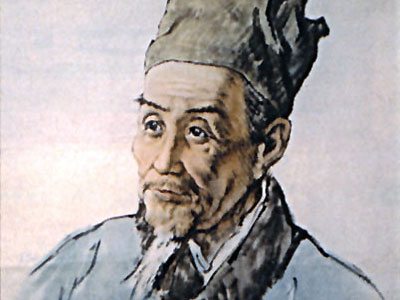
Li Shizhen (1518–1593), author of the Bencao Gangmu
Six Categories by Color and Form
Li Shizhen grouped Ganoderma into six categories according to its color and form:
- Green Ganoderma (Qingzhi) — associated with the Wood element and liver vitality
- Purple Ganoderma (Zizhi) — revered for calming the mind and nourishing the spirit
- Red Ganoderma (Hongzhi) — linked to heart health and radiant energy
- Yellow Ganoderma (Huangzhi) — connected to spleen and digestive harmony
- White Ganoderma (Baizhi) — associated with lung health and clear breath
- Black Ganoderma (Heizhi) — linked to kidney essence and deep vitality
Each of the six types possesses its own unique medicinal values and healing effects.
The Five Elements and the Wood Spirit of Ganoderma
In the philosophy of Wu Xing (the Five Elements), Ganoderma is most deeply connected to Wood (Mu) — the element of growth, flexibility, and upward vitality.
"Wood means bending and straightening." Wood represents the vital force that bends yet does not break, growing toward the light.
Ganoderma, the "Mushroom of Immortality," is the ultimate embodiment of the Wood element. Just as roots absorb the essence of the earth to grow, Lingzhi thrives on ancient trees in the mountain forest — bending with the wind, yet remaining resilient year after year. It channels the vital, revitalizing Qi of Wood to promote longevity, inner flexibility, and holistic healing.
From the Ancient Record
"Continuous consumption of Ganoderma makes your body light and young, lengthening life and making you like an immortal who never dies."
— Bencao Gangmu, Ming DynastyThe Legacy Today
Modern research continues to validate what Li Shizhen observed centuries ago. The six-color classification reflects not only visual differences, but also the specific ways Ganoderma interacts with different systems of the human body — a wisdom that endures across generations.